Here is the excerpt from the epic summer of volcanoes post:
Uganda
We landed in Kigali, Rwanda around midnight on July 7 and got off the plane to the smell of cooking fires in the dusky night. We were picked up by Adam’s old friend and our new tour guide, Emmanuel and his driver, Emmanuel. Both men went by Emma, which got a little confusing. We visited the genocide museum in Kigali the next morning before driving to Uganda, about three hours on winding roads past miles and miles of subsistence farms terraced up enormous hillsides.
In Uganda, we spent two days at Lake Bunyonyi, a beautiful quiet spot with terraced subsistence farms on every hillside and little kids being canoed to school each morning singing songs. We took the dugout canoes out for a spin one day, and Jim and I reminisced about our wonderful Boundary Waters trips. Canoeing isn’t that different wherever you go! (Jennifer wasn’t steering the boat!! A tree trunk is different from a hulled-canoe in more ways than one.)
From the lake, we went on to Kisoro, a small town near the Rwandan border with three great volcanoes on its horizon, and a famous hotel in its center – the Traveller’s Rest, where Diane Fossey and other gorilla-studying pioneers came to stay during their explorations. We went gorilla tracking from Kisoro – mountain gorillas live in a few national parks in Uganda, Rwanda and the Congo, and some groups have been habituated by trackers, so you can pay for a license for a day and literally walk up amongst a group of gorillas and hang out with them (with a park ranger, a group of trackers, and 7 other tourists assigned to your group). It was a magical day that started with a long hike across fields and into a rainforest, up hills and through underbrush, until we suddenly popped out of a bush and a gorilla was sitting about ten feet away, looking around at the trackers who had led us there. We were flabbergasted. The brush made it tough to keep track of where all the gorillas were, but we stayed in their midst and watched one pop out, then another, and watched them climb trees and beat their chests and eat leaves and stand and look at us for an hour. We got lucky – we were assigned to find one family group, and they happened to be across a narrow ravine from another group. So not only we were close to about 10 gorillas, but we could turn around and watch another large group eat and climb and play as well. When we left the gorillas, we all agreed it had been a surreal experience. You can watch some videos of the gorillas by following links to Jim’s youtube channel here:
https://www.youtube.com/channel/UCINFOjy1tO2X7zfKMjNnazA
One aspect of gorilla watching that surprised us was the relative tranquility of the gorilla groups. Despite two neighboring groups meeting, in relative competition with one another, there was absolutely no violence. It struck me because of the anger I felt rising towards one of our human group members in particular, pushing to be in the front and not letting others have a turn, that humans are so much more violent then these creatures. It was a reminder that humans are the most dangerous things in our lives, not gorillas, spiders, lions, or whatever other wildlife you could imagine. This realization instigated a feeling of reverence for the gorillas that I had not felt before—huge vegetarians that live in relative peace despite some occasional male-male aggression that is almost never fatal.
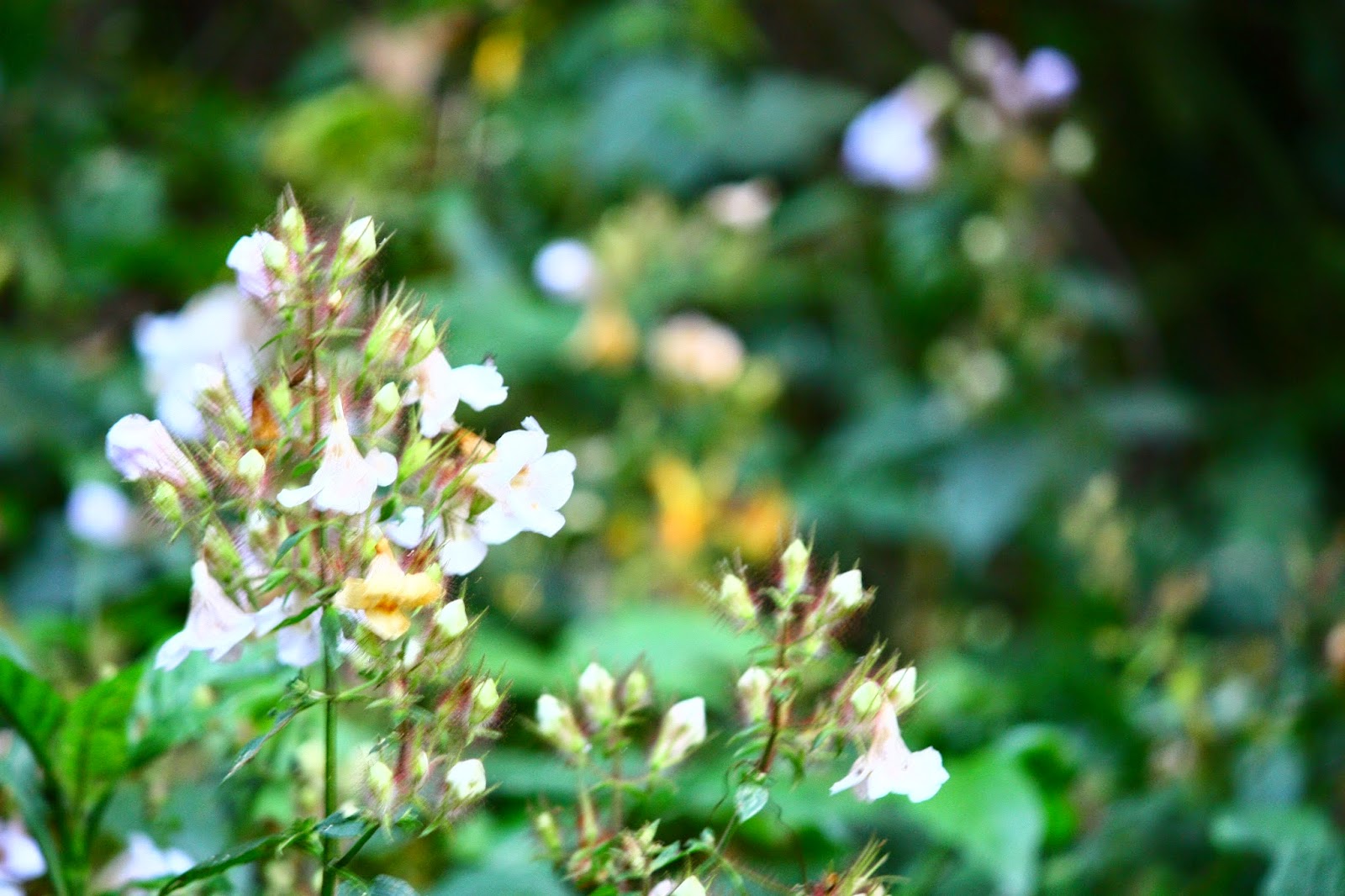
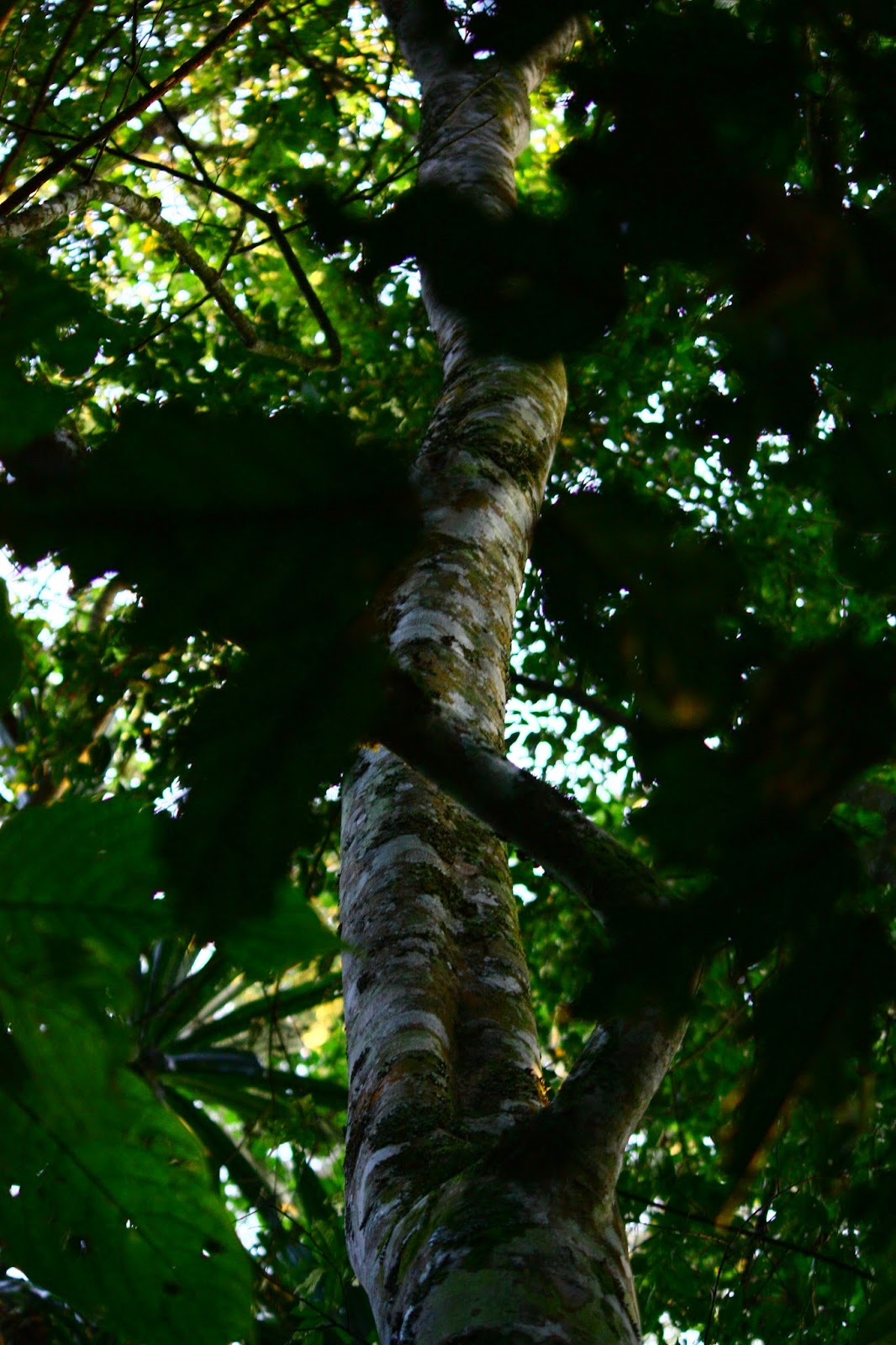
The day after our gorilla trek, we climbed one of those big volcanoes, Mhuravura, at 4,127 meters high. The trek begins at 2400 m, which equates to a climb of just under one vertical mile. Jim and I pushed through some tough steep climbing and a little altitude funkiness to reach the summit in about 5 hours, and spent three hours returning. Jim was struggling a little more than Jennifer with the altitude and steepness of the trail and at one point our guide Emmanuel felt compelled to ask, “Why is Jennifer stronger, Jim? Does she work out more than you?” We enjoyed stepping across the border to Rwanda at the summit. Although the top was cloudy when we reached it, we enjoyed seeing the variety of plant life at various altitudes, and got some beautiful views of the neighboring volcanoes on the descent. We also were followed by a large group of cute kids on our way back to the car, who shouted “Mzungu! Mzungu! Hi how are you! Give me money!” at us (most kids in Uganda did this – apparently there is a long tradition of white people – mzungu – throwing money out of car windows for children).
 |
| These are fields of tea--this was the most organized form of agriculture in the part of Uganda that we visited. It was also the place where people seemed the poorest. People were paid an infinitesimal amount to pick many kilos of tea--to the point that back-breaking work would accomplish something like $2 to $5 USD per day. It seemed pretty bad for the people in the area that would otherwise use the land for small farms. |
 |
| The hills in Uganda and Rwanda were covered in farms--almost entirely subsistence agriculture. Some goods would make it to market in the local towns, but none seemed designated for export (besides the tea from the tea plantations). |
 |
| A new way of canoeing! Check out Jennifer's low seat. It was interesting to sit near the surface of the water. Less leverage, but a very relaxed ride. Think of driving in a low rider. |
 |
| This is Adam and Lindsey paddling away. When asked who was messing up the direction of the boat fingers pointed at the other person, ha ha ha. Jennifer and I sounded about the same in the afternoon when the wind picked up. |
 |
| BWCA??? Nope, Lake Bunyonyi in Uganda. Crazy how similar it felt to be on the water in Uganda. Minus the boats full of children singing on their way to school. |
 |
| Another close encounter with the Davis's. We stopped for an amazing lunch of fresh fruit, avocados, and fry bread under nearby under the trees. |
 |
| A cool shot of the Davis's in their canoe. |
 |
| The Petoskey ride. |
 |
| Sunset on Lake Bunyonyi. |